
Introducing a New Puppy to Family Members and Other Pets Safely: 19 Expert Steps

Bringing home a young dog changes family life completely. Daily routines shift instantly. Excitement runs high across every room. However, safety must remain your highest priority today. Unplanned introductions cause unnecessary fear. Poor meetings trigger defensive reactions in older pets. Kids might overwhelm a timid young pup fast.
You need a clear plan before stepping inside. Controlled scent swaps build silent trust early. Neutral meeting spots prevent territorial disputes. Calm leadership guides every single family member. This deep guide gives you field-tested steps. Your family and pets will bond safely and smoothly.
Last spring, I brought home a pup named Baxter. My older rescue hound, Buster, was quite set in his ways. The first ten minutes determined our next six months. I rushed the doorway greeting by mistake. Buster growled softly, and Baxter cowered behind my boots. That single error taught me a hard lesson. Patience prevents long recovery periods. Follow this structured roadmap to ensure complete safety from day one.
1. Prepare Scent Swaps Before Arrival

Scent carries vital information for every dog. Swap blankets between pets before they ever meet directly. Place the pup’s cloth near your cat’s food bowl. Rub a towel on your older dog gently. Bring that cloth to the puppy breeder’s house. Let each animal process smells without face-to-face pressure.
This simple step lowers stress significantly. Animals recognize familiar smells quickly during initial face-to-face greetings. Start this process three full days ahead.
2. Set Up Safe Neutral Spaces

Never host the first meeting inside your living room. Older dogs view their main indoor spaces as personal territory. Select a quiet neighborhood park instead. Choose a clean grassy area with zero foot traffic.
Neutral grounds keep competitive instincts minimal. Keep both animals on relaxed leashes. Walk them parallel to each other at a distance. Let them sniff grass before closing the gap.
3. Teach Children Gentle Greeting Rules

Children get extremely excited around young animals. Wild shouting startles sensitive young pups instantly. Teach your kids to sit quietly on the floor. Instruct them to let the pup approach them first.
Show kids how to stroke the pup’s chest softly. Avoid petting top of the head initially. Head reaching can look threatening to young dogs. Gentle touch creates fast bonds.
4. Manage Initial Resident Dog Greetings

Keep initial dog greetings brief and highly positive. Allow brief three-second sniffing sessions on loose leashes. Call both dogs away with high-value treat rewards. Repeat this short pattern ten distinct times.
Ending on a good note creates strong safety associations. Never allow leash tension to build up. Tight lines signal danger directly to both dogs. Keep your hands relaxed throughout.
5. Establish Secure Indoor Separations

Your home needs dedicated private spaces right now. Install sturdy baby gates in key interior hallways. Set up a durable crate in a quiet corner. Separation prevents unexpected conflicts when you step away.
It gives the new pup crucial rest time. Overtired puppies get mouthy and hyperactive quickly. Rest periods keep household stress manageable for everyone.
6. Introduce Cats With Extreme Caution

Cats view small running puppies as direct predators. Keep your pup on a short leash during cat greetings. Allow your cat complete control over their exit routes. Never trap a cat in any room.
Reward your puppy for ignoring the cat completely. High-value chicken treats work best here. Build calm focus before allowing closer contact. Safety demands absolute control.
7. Use Controlled Leash Walking Parallel

Parallel walking builds quiet pack unity effortlessly. Walk two handlers with two dogs along a quiet sidewalk. Keep twenty feet of space between both animals initially. Gradually narrow the distance as both show calm body language.
Moving together forward distracts them from tense staring. Side-by-side movement creates natural acceptance faster than static face-to-face meetings.
8. Monitor Body Language Signals Closely

Learn subtle stress signals before bringing your pup home. Stiff postures, lip licking, and tail tucking indicate discomfort. Soft eyes, loose wagging tails, and play bows signal safety.
Intervene immediately if you see hard staring. Staring often precedes defensive snaps or growls. Distract both animals with high-pitched happy voices instantly. Redirect focus toward tasty treats.
9. Prevent Food Resource Guarding Early

Feed all pets in completely separate locked rooms. High-value food causes sudden territorial aggression easily. Never leave food bowls lying empty on open floors.
Pick up all food items after mealtime ends. Store chew bones and special toys away safely. Separate dining prevents needless competition entirely during early weeks.
10. Involve Every Adult Family Member
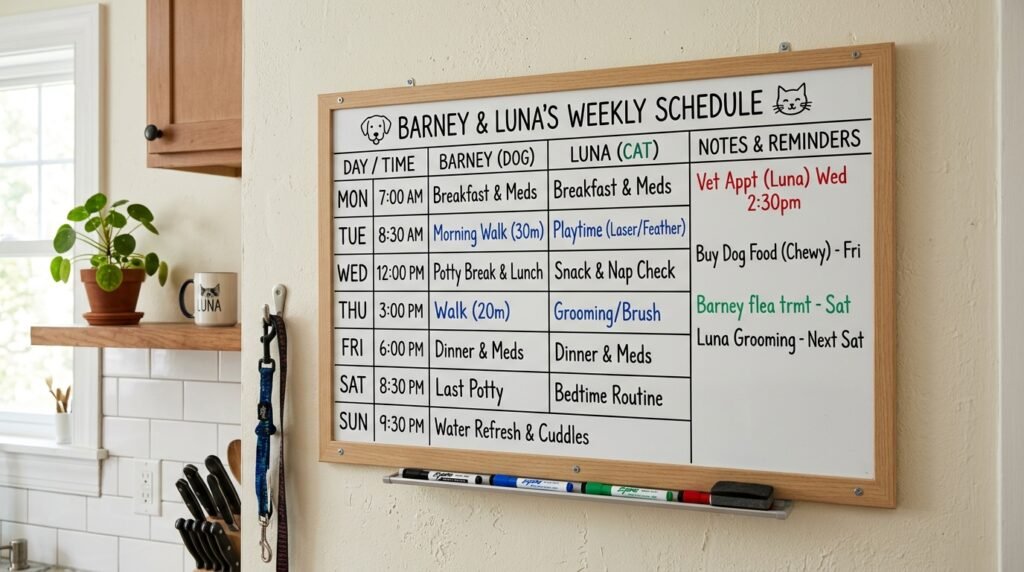
Consistency builds security for your new young dog. Every adult must enforce identical house rules daily. Decide on command words together beforehand. Use identical praise cues like “Good job!”
Inconsistent rules create confusion and anxious energy. Mixed messages slow down house training and social adjustment. Work together as a unified human team daily.
11. Control High Energy Play Sessions

Puppy play shifts into rough tumbling fast. Monitor play sessions without breaking concentration. Interrupt play every three minutes for brief water breaks. Calm breaks keep excitement levels within safe limits.
Separate animals if play turns overly intense or loud. Deep growling and pinned ears signal immediate trouble. Keep sessions short, fun, and well-controlled.
12. Create Quiet Zones For Older Pets

Senior pets need complete protection from energetic puppies. Designate a private room exclusively for your senior animal. Use cat doors or selective baby gates strategically.
Ensure senior pets access their beds without puppy interference. Respecting older pets preserves their physical comfort and psychological wellbeing.
13. Integrate Crate Training Routines Daily

Crates provide safe havens for young growing dogs. Introduce crate time with positive treat rewards daily. Never use crates as places for harsh punishment.
A comfortable crate prevents unsupervised household mishaps entirely. Crate resting gives older resident pets peaceful breaks throughout busy days.
14. Avoid Common Introduction Mistakes

Never force two animals into forced face-to-face contact. Holding a puppy down toward an older dog sparks anxiety. Avoid shouting loudly when tense moments happen.
Loud human voices escalate animal stress instantly. Stay calm, speak softly, and use physical dividers smoothly. Avoid rushing natural bonding time lines.
15. Schedule Equal One-On-One Time

Existing pets often feel displaced by new puppies. Dedicate twenty minutes daily exclusively to your resident dog. Enjoy individual walks, grooming, and favorite games together.
Individual attention stops jealousy from developing over time. Reassure your older pets that their status remains totally secure.
16. Use Calming Pheromone Tools Effectively

Pheromone diffusers emit subtle calming synthetic scents. Plug diffusers into rooms where pets meet most often. Calming sprays reduce baseline anxiety for dogs and cats.
These tools support structured training methods gently. They create a peaceful environment that promotes successful social bonding.
17. Handle Multi-Pet Household Complexities

Introducing a puppy into multi-pet homes requires individual steps. Introduce the puppy to each resident animal one by one. Avoid overwhelming the puppy with group meetings initially.
Learn each pet’s unique personality dynamic thoroughly. Tailor meeting speeds to match the most timid pet’s comfort level.
18. Build Daily Routine Stability Fast

Structure creates deep psychological comfort for young dogs. Set strict daily schedules for feeding, walks, and rest. Predictable days prevent anxious behaviors before they start.
Maintain consistent times for potty breaks outside. Stable schedules help both new and resident pets adjust smoothly together.
19. Know When Professional Help Is Needed

Some introductions hit persistent unexpected roadblocks. Seek certified dog trainers if growling continues past two weeks. Immediate professional guidance prevents dangerous aggressive habits from forming.
Never delay getting help if safety risks appear. Professional trainers fix underlying behavioral issues safely and efficiently.
Pet Introduction Methods Compared
| Method | Best For | Safety Level | Time Needed |
| Neutral Walking | Dogs meeting dogs | Very High | 30 Minutes |
| Baby Gate Visuals | Cats and timid pets | High | 3 to 5 Days |
| Direct Leash Sniff | Calm older dogs | Medium | 10 Minutes |
Conclusion

Introducing a young pup demands patience, clear boundaries, and structured steps. Prioritize neutral grounds early on. Keep early interactions short and positive daily. Respect your older pet’s space completely. Your effort creates a safe, peaceful multi-pet family home. Take things slowly and enjoy this wonderful bonding journey!
Frequently Asked Questions
How long should the process of introducing a new puppy to family take?
Most introductions take two to four weeks. Full comfort requires up to three months of consistent routines.
What if my resident dog growls at the puppy?
Growling is normal warning communication. Separate the pets calmly without yelling. Increase physical distance immediately.
Can I leave my puppy alone with my cat?
No. Never leave new puppies unsupervised with cats until full trust is established over several months.
How do I introduce my puppy to toddlers safely?
Keep the puppy on a leash. Have toddlers sit down quietly. Reward both for calm interactions.
What should I do if my cat hides constantly?
Provide elevated places and private rooms. Let your cat emerge at their own comfortable pace.
How many times a day should pets meet?
Schedule three to four short meeting sessions daily. Keep each session under ten minutes total.
Should I share toys between pets right away?
No. Put away all toys initially to prevent resource guarding disputes between animals.
What if my puppy bites too hard during play?
Redirect biting onto soft chew toys immediately. Pause play briefly if hard biting continues.
Is it normal for older dogs to correct puppies?
Yes. Short growls or air snaps teach puppies vital social boundaries. Monitor corrections closely for safety.
When can pets sleep in the same room?
Allow shared sleeping only after weeks of zero aggressive incidents during waking hours.


Maya is the founder and writer behind PuppySettled, where she shares practical, situation-specific guides for first-time dog owners. After bringing her own puppy home to a small apartment and realizing most advice out there assumed a house and a yard, she started writing the guides she wished had existed — for real budgets, real schedules, and real first-time-owner questions. When she’s not writing, she’s usually on a walk figuring out the next thing worth covering.