
Why Is My Dog Acting Weird? 10 Behavior Changes in Puppies and What They Mean
This guide is for general informational purposes only and isn’t a substitute for professional veterinary advice. If your puppy is showing signs of illness, contact your veterinarian.
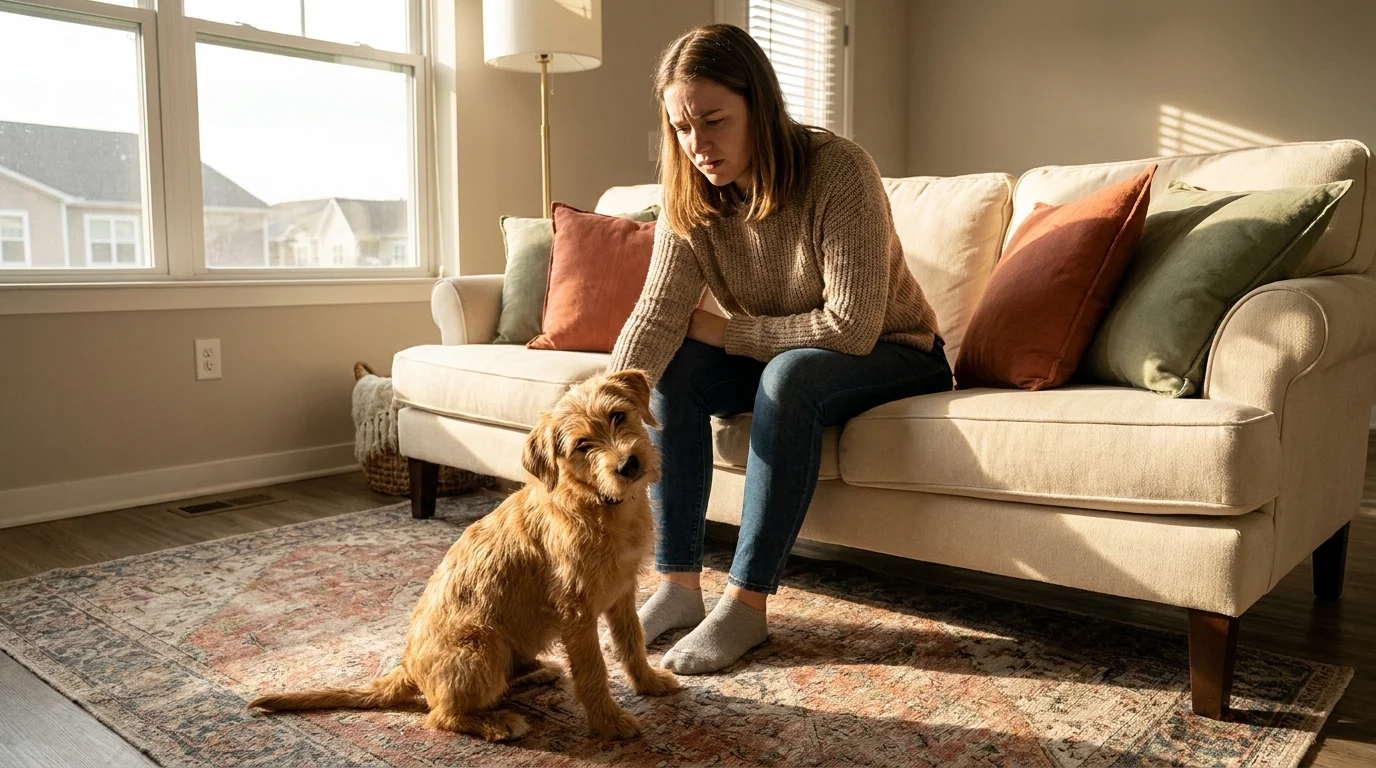
You are staring at your puppy, heart in your throat, wondering who swapped your sweet little companion out for a complete stranger. One minute they are zooming across your living room rug, and the next, they are refusing to touch their kibble, hiding under the kitchen table, or staring blankly at the drywall. When you typed why is my dog acting weird into your phone at 11:00 PM while sitting on the couch, you weren’t looking for a dry veterinary textbook—you wanted someone to tell you if your puppy is okay, whether you messed up, and what you need to do right now.
Take a deep breath. Sudden shifts in a young dog’s routine can trigger panic for any pet parent trying to navigate those exhausting first months. Puppies go through rapid neurological, physical, and environmental shifts that can make their behavior flip overnight. Let’s break down what is actually happening beneath the surface and how to decode your puppy’s strange new habits without losing your mind.
Quick Answer / Executive Strategy Section

If your puppy is acting weird all of a sudden, the most common culprits are developmental fear periods, impending growth spurts, minor physical discomfort (like teething or a mild tummy ache), or an environmental trigger you might not have noticed.
Here is your executive strategy for handling a sudden behavior change:
- Assess physical safety first: Check for immediate signs of pain, injury, lethargy, or refusal to drink water.
- Look for context clues: Did a loud noise happen outside? Did their schedule change? Are they teething hard today?
- Maintain predictable routines: Resist the urge to hover anxiously, which can actually heighten their anxiety. Stick to regular feeding, potty breaks, and crate times.
- Document and monitor: Track how long the weird behavior lasts. If it persists past 24 to 48 hours, or is accompanied by vomiting or breathing changes, loop in your vet.
1. Why Is My Dog Acting Weird All of a Sudden? Decoding the Shift

Why Is My Dog Acting Weird
“When a puppy starts acting weird all of a sudden, it is usually their way of communicating an internal shift—whether that is physical growth, a sudden developmental fear stage, or a subtle change in their home environment. Because puppies cannot use words to express feeling off, overwhelmed, or sore, their body language and daily habits change instead. Staying calm, ruling out medical emergencies, and keeping their routine steady will help them regulate back to normal.”
When a puppy flips a switch and starts behaving completely out of character, your first instinct is to retrace your steps. Did they eat something off the apartment floor? Did a visitor come over? Often, sudden weirdness is simply a byproduct of how fast puppies grow. Their brains are processing thousands of new environmental stimuli every single day, and occasionally, sensory overload causes a temporary glitch in their behavior.
Instead of panicking, look at the big picture. Is the weird behavior constant, or does it happen only in certain rooms? Keeping a mental or physical log of when these quirks occur can help you pinpoint whether you are dealing with a behavioral phase or a physical trigger.
2. Puppy Acting Strange After a Growth Spurt

Puppies grow at a staggering rate, and those sudden physical expansions come with weird neurological and muscular side effects. If your puppy looks a bit lanky or clumsy, they might literally feel uncoordinated in their own skin.
During major growth phases, puppies can experience mild growing pains or general lethargy as their bodies divert energy toward bone and muscle development. You might notice them pacing, refusing to jump up onto the couch, or seeming unusually restless. Ensure they have plenty of soft, supportive bedding in their crate or playpen to rest their growing joints, and avoid high-impact jumping until their growth plates mature.
3. The Hidden Impact of Canine Fear Periods

If your confident, happy puppy suddenly refuses to walk past a trash can they have ignored for months, they have likely entered a developmental fear period. These windows of heightened sensitivity typically crop up around 8 to 11 weeks and again during adolescence.
During a fear period, normal everyday objects—a mailbox, a statue, or even a hat you are wearing—can trigger freezing, trembling, or barking. The golden rule here is never to force or punish them. Let them investigate the scary object at their own pace, toss high-value treats near it, and show them that the world is not ending.
4. Teething Troubles and Mouth Pain

One of the most frequent reasons a puppy acts weird, clingy, or suddenly nippy is dental discomfort. Between 4 and 6 months of age, adult teeth are pushing through sensitive gums, which can make a puppy feel downright miserable.
You might notice your puppy chewing obsessively on furniture legs, refusing dry kibble, whining while holding a toy, or acting uncharacteristically grumpy when you touch their face.
- Soak their kibble in warm water or low-sodium chicken broth to soften it.
- Provide frozen washcloths or safe rubber chew toys stored in the refrigerator to numb their aching gums.
- Check their gums gently for signs of stubborn baby teeth that refuse to fall out.
5. Dog Behaving Differently Due to Environmental Changes

Dogs are creatures of absolute habit, and they notice micro-shifts in their surroundings long before we do. Moving furniture, changing your work schedule, or even bringing home a new rug can throw a sensitive puppy completely off balance.
If your puppy is hiding under tables or pacing near the front door, evaluate what has changed in your household layout or routine this week. Even subtle shifts in human stress levels—like a busy week at work or moving into a new apartment—can cause a puppy to mirror that ambient anxiety through unusual, clingy, or withdrawn behavior.
6. Subtle Signs of Illness: When “Weird” Means Sick

While behavior changes are frequently behavioral or developmental, they can also be the very first warning sign that your puppy is coming down with something. Animals instinctively hide vulnerability, so a subtle shift in demeanor often precedes physical symptoms like vomiting or diarrhea.
Keep a close eye out for red flags that require professional medical attention:
- Sudden lethargy where they refuse to get up for playtime or meals.
- Hiding in dark, isolated corners of the house for hours.
- Panting heavily when the room is cool and they haven’t been exercising.
- Extreme sensitivity or nipping when you touch their abdomen or ears.
7. Puppy Hiding and Acting Weird: Safe Space or Isolation?

Finding your puppy wedged behind the living room couch or cowering under the bed can be heartbreaking. However, context matters immensely when evaluating this behavior.
If your puppy retreats to their designated crate or a quiet corner for a scheduled nap after a busy morning, that is healthy self-regulation. But if they are hiding continuously, refusing to come out for meals, and looking wide-eyed or stiff when you approach, they are overwhelmed or fearful. Create a low-traffic, cozy sanctuary zone for them where family members know not to disturb them while they decompress.
8. Dog Acting Weird But Eating Fine: What Does It Mean?

One of the most reassuring diagnostic clues a pet parent can have is an appetite. If your dog is acting weird but eating their meals with enthusiasm, you can usually cross severe systemic illnesses (like major gastrointestinal blockages or systemic infections) off your immediate panic list.
When a puppy maintains a normal appetite while acting strangely, the root cause is typically situational: mild excitement, slight environmental stress, adolescent testing of boundaries, or a minor musculoskeletal tweak from playing too hard in the yard. Continue monitoring their energy levels, but take a deep breath knowing that a good appetite means their internal system is fundamentally stable.
9. Sudden Behavior Change in Puppy Due to Over-Excitement or Over-Tiredness

People often forget that puppies are essentially toddlers who do not know how to put themselves to bed. An overtired puppy rarely curls up quietly and goes to sleep; instead, they undergo a frantic transformation known as the “witching hour” or zoomies on steroids.
If your puppy is suddenly biting ankles, sprinting in manic circles, barking at shadows, or acting like a tiny demon in the evening, they are almost certainly severely overtired.
- Enforce a mandatory nap schedule: many young puppies need up to 18 to 20 hours of sleep a day.
- Move them into a quiet, darkened crate or designated pen with white noise to help their nervous system settle down.
10. Puppy Not Acting Like Itself After Routine Changes
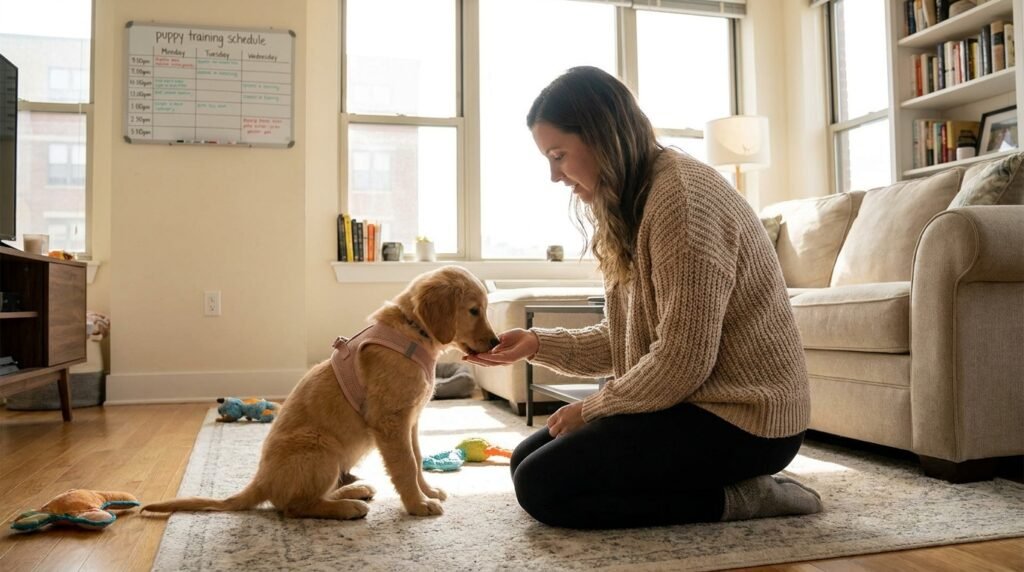
Did you recently switch their feeding times, start leaving the house for longer stretches, or alter your morning walk route? Puppies rely heavily on predictable daily anchors to feel secure in their new homes.
Even minor disruptions to their rhythm can trigger anxious, clingy, or erratic behaviors. If your schedule has recently shifted, help your puppy adjust by intentionally building predictability back into their day—feed them at the exact same minute, keep potty trips consistent, and use interactive puzzle toys to keep their brain occupied while you transition.
11. Boredom and Under-Stimulation Quirks

We often worry about puppies being overstimulated, but under-stimulation can make a puppy act equally bizarre. A smart puppy with pent-up mental energy will invent their own entertainment, which usually looks like bizarre, destructive, or frantic behavior.
If your puppy is staring fixedly at the wall, digging at the carpet seams, or pacing restlessly around the apartment despite getting a standard walk, their brain is starved for a job. Introduce short training sessions, snuffle mats for mealtime, or interactive scent games to tire out their mind rather than just their legs.
12. Hormonal Shifts in Adolescent Puppies

As your puppy approaches the 6-to-12-month mark, hormones start flooding their system, marking the official onset of canine adolescence. Just like human teenagers, adolescent puppies can experience sudden personality shifts, bouts of selective deafness, and erratic mood swings.
You might notice your puppy testing boundaries they respected for months, showing sudden reactivity to other dogs on leash, or acting unusually stubborn during basic obedience practice. This phase requires patience, consistency, and a strong commitment to reinforcing foundational house rules without resorting to harsh corrections.
13. Reacting to Invisible Triggers: Sensory Differences

Dogs possess hearing and olfactory capabilities that vastly outstrip our own. When your puppy suddenly freezes, stares at an empty hallway, or starts barking at a blank wall, they aren’t seeing ghosts—they are hearing a rodent in the drywall, a low-frequency electrical hum, or smelling a neighbor’s cooking through the ventilation.
Instead of scolding them for making noise, acknowledge that their sensory world is infinitely richer and stranger than ours. Often, gently redirecting their attention with a toy or calming word will break the trance without punishing their natural alertness.
14. How to Reset Your Puppy’s Routine When Behavior Dips

When your puppy’s behavior goes completely off the rails for a few days, the most effective response is a systematic “reset.” Go back to basics as if they are brand new to your home.
Reinforce structured meals, keep training sessions short and high-reward, tighten up your supervision indoors to prevent bad habits, and ensure they are getting sufficient quiet crate time. Treating a temporary behavioral slump with calm, structured consistency will guide your puppy back to their predictable, balanced baseline.
15. When to Call the Vet for Sudden Behavior Changes

Trust your gut as a pet parent. If your puppy’s weird behavior is accompanied by physical symptoms, lasts longer than 48 hours without improvement, or involves extreme aggression, pain responses, or complete withdrawal, it is time to call your veterinarian.
Be prepared to give your vet a clear timeline: when did the behavior start, what does it look like, and what triggers seem to make it worse? Ruling out a hidden medical issue gives you the peace of mind to tackle any lingering behavioral quirks with confidence.
16. Frequently Asked Questions

Why is my puppy staring at the wall and acting weird?
Puppies often stare at walls or empty spaces because they hear subtle sounds inside the walls (like pipes or pests) or detect faint vibrations. If it happens occasionally, it is usually harmless sensory curiosity, but if it is accompanied by lethargy or head pressing, consult your veterinarian.
How do I know if my puppy’s weird behavior is a medical emergency?
Seek immediate veterinary care if your puppy’s strange behavior is accompanied by vomiting, inability to settle or lie down, swollen abdomen, difficulty breathing, or severe lethargy where they refuse to respond to your voice.
Can a sudden change in puppy behavior be a fear period?
Yes. Puppies go through distinct developmental fear periods (typically around 8–11 weeks and during adolescence) where they may suddenly act startled, fearful, or defensive around ordinary objects, people, or sounds.
What should I do if my puppy is acting anxious and pacing around the apartment?
First, check their basic needs: do they need a potty break, fresh water, or a nap? Pacing is frequently a sign of an overtired puppy or mild environmental stress. Guide them into their quiet crate or pen with a safe chew toy to help them decompress.
Conclusion
Navigating a sudden shift in your puppy’s behavior can feel incredibly stressful, especially when you are trying to figure out if it is just a normal developmental phase or a sign of trouble. Remember that growth, teething, fear periods, and sensory overload are all normal parts of the early settling-in journey. Take a deep breath, keep their daily routine steady, and trust your instincts as you guide them through it.
A note on your puppy’s health: This article is intended to help you recognize patterns and know when to seek care — it is not a diagnosis and does not replace an exam by a licensed veterinarian. If your puppy is lethargic, refusing food or water, vomiting repeatedly, or showing any of the emergency signs described above, contact your vet or the nearest emergency animal hospital right away rather than waiting to see if symptoms improve.


“Alex is the go-to for anything practical — from picking the right harness to knowing when a puppy’s upset stomach needs a vet visit versus a little patience. Before joining Puppy Settled, she spent years working at a small-animal vet clinic and running a pet supply review blog on the side, which means every gear recommendation here has been tested (and every health tip double-checked). Alex owns a rescue mutt named Otis, who has personally ‘reviewed’ more chew toys and dog beds than any dog should probably need.”