
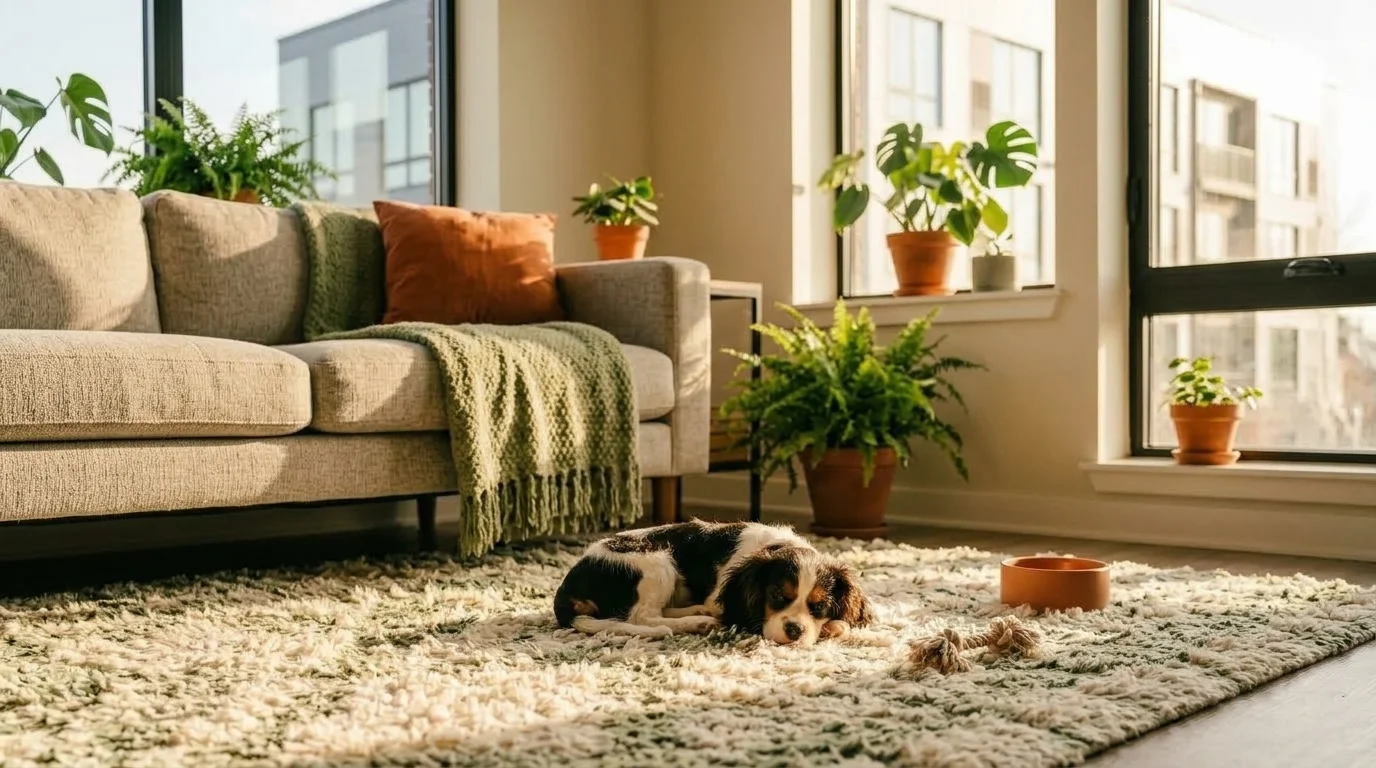
The Best Apartment Dog Breeds for Small Spaces: A Realist’s Guide
If you are staring down a lease agreement with a strict square-footage limit, a second-floor hallway, and no private yard, while simultaneously dreaming of the pitter-patter of tiny paws, you are likely feeling a mix of excitement and deep anxiety. Searching for the best apartment dog breeds usually drops you into endless, conflicting lists that claim every toy-sized dog is a quiet, docile angel that will happily sleep fourteen hours a day on a studio couch. In reality, bringing a small puppy into an apartment brings unique hurdles: high-pitched puppy barks echoing down shared corridor walls, house-training challenges on balcony concrete, and tiny bladders that need managing while you navigate elevator buttons in your pajamas.
This guide cuts through the generic fluff to help you evaluate true small-dog temperaments, energy levels, and vocalization tendencies, ensuring you find a companion that thrives vertically without triggering noise complaints from your downstairs neighbors.
1. The Reality of Small-Dog Apartment Living: Beyond the Square Footage

The biggest misconception in urban pet ownership is that a dog’s physical size dictates its suitability for small-space living. Many prospective owners assume that because a dog can fit comfortably under a coffee table, it will naturally require minimal exercise or space.
- The high-energy toy paradox: Breeds like Jack Russell Terriers, Miniature Pinschers, and Pomeranians are tiny in stature, but they possess the high-octane drive and vocal alertness of working working dogs. Storing a high-drive terrier in a high-rise apartment without intense mental enrichment often leads to frantic indoor pacing and relentless barking.
- Sound transmission in shared walls: In an apartment complex, a dog’s weight matters far less than its vocal pitch and alert instincts. Sharp, high-pitched barks cut straight through drywall and share floorboards much faster than a deep, muffled bark from a larger breed. Choosing a naturally quiet or low-vocalization small breed is essential for keeping the peace in a multi-family building.

When your neighbors share a common wall, a dog that barks at every elevator ding, hallway footstep, or distant door slam turns apartment living into a constant stress test.
- Naturally quieter companions: Breeds like the Cavalier King Charles Spaniel, the Shih Tzu, and the Bolognese tend to possess a much lower baseline alertness to hallway noises compared to guardian or terrier groups. They are affectionate, gentle-natured, and far less likely to sound the alarm every time someone drops a package outside your front door.
- Managing vocal triggers early: Even naturally quiet small breeds need deliberate socialization during their first months at home. Exposing them gently to echoing corridors and elevator sounds using positive reinforcement ensures they don’t develop barrier frustration or protective barking habits as they mature.
3. Moderate Energy vs. High-Drive Toy Breeds

Matching a small dog’s daily stamina to your actual routine—whether you work remotely, commute to an office, or prefer a relaxed evening pace—prevents burnout on both ends of the leash.
- The couch-companion profile: Breeds with moderate exercise requirements—such as Pugs or French Bulldogs—appreciate a brisk morning sniff-walk around the block followed by hours of restorative lounging. They get their physical needs met without demanding a five-mile daily jog.
- The working-terrier profile: Conversely, small companion dogs with historical hunting backgrounds need active outlets. If you live in a high-rise without a yard, you must substitute physical running space with indoor puzzle games, snuffle mats, and structured obedience training to burn off their mental horsepower.
4. House-Training Small Breeds in High-Rise Apartments

House training a small puppy when you live on the tenth floor presents logistical hurdles that suburban homeowners never face. When an eight-week-old toy breed has a 60-second pre-accident window, waiting for an elevator is not an option.
- The vertical transit challenge: Carrying a tiny puppy down three flights of stairs or waiting for a slow elevator during a morning rush can lead to hallway accidents. Successful high-rise owners often set up a transitional indoor potty system—such as a real grass patch on a balcony or a utility nook tray—as a temporary bridge until full vaccinations allow outdoor street walking.
- Cold weather and tiny paws: Small-breed puppies with low body fat and thin coats often refuse to step onto cold, wet, or salted winter pavement. Creating a predictable indoor-to-outdoor routine with high-value treat motivation helps small dogs overcome environmental hesitations quickly.
5. Exercise and Enrichment Solutions for Small Spaces

Living in a compact apartment doesn’t mean your small dog has to live a sedentary life, but it does require creativity in how you burn their physical and mental energy.
- Sniff-walks over marathon runs: For small companion dogs, a twenty-minute neighborhood walk where they are allowed to stop, sniff, and investigate every tree trunk and fire hydrant provides far more cognitive fatigue than a rushed, high-speed sprint down a concrete sidewalk.
- Vertical territory and window watching: Small dogs love elevated viewpoints. Setting up a sturdy, carpeted pet window perch safely near a living room window gives them a front-row seat to outdoor bird life, satisfying their curiosity without taking up valuable floor space in your apartment.
6. Budgeting for Small-Dog Apartment Expenses

While small dogs generally consume less food and cost less to board than large breeds, urban apartment pet ownership carries distinct financial considerations that catch new owners off guard.
- Building pet fees and monthly rent: Many rental properties and apartment complexes charge non-refundable pet deposits, upfront move-in fees, or monthly “pet rent” per animal, regardless of whether your dog weighs five pounds or fifty pounds.
- Grooming and veterinary upkeep: Breeds with non-shedding hair coats (such as Maltese or Bichon Frises) require professional grooming every four to six weeks to prevent painful matting, which adds a recurring monthly expense to your apartment budget.
7. Frequently Asked Questions (FAQ)

What is the quietest small dog breed for an apartment?
Breeds like the Cavalier King Charles Spaniel, Shih Tzu, and Bolognese are widely known for having low barking tendencies, making them exceptionally well-suited for noise-sensitive apartment buildings.
Do small dogs really need less exercise than big dogs?
Not always. While their physical strides are shorter, working toy breeds like Jack Russell Terriers or Miniature Poodles possess massive energy levels and need intense mental stimulation to prevent apartment destructive chewing.
How do I house-train a small dog in a high-rise building?
Establish an immediate outdoor relief route, use the “carry method” through shared lobbies to prevent elevator accidents, and consider a real grass porch patch for rapid middle-of-the-night access during puppyhood.
Are small dogs easier to leave alone in an apartment while working?
Independent small breeds handle brief, structured absences well, but toy breeds are also prone to separation anxiety if not acclimated gradually. Proper crate training and puzzle toys are essential for managing work-day routines.
Do small apartment dogs shed a lot?
It depends entirely on the coat type. Breeds like Pugs and Chihuahuas shed short hairs year-round, while single-coated breeds like Maltese or Poodles drop virtually no hair but require regular brushing.
Conclusion

Finding the best apartment dog breed comes down to balancing your building’s noise tolerance, your daily schedule, and the dog’s true drive level rather than just their physical height. By prioritizing low-vocalization temperaments, planning for high-rise house-training logistics, and providing rich indoor mental enrichment, you can create a harmonious, happy home in even the most compact urban space.


Maya is the founder and writer behind PuppySettled, where she shares practical, situation-specific guides for first-time dog owners. After bringing her own puppy home to a small apartment and realizing most advice out there assumed a house and a yard, she started writing the guides she wished had existed — for real budgets, real schedules, and real first-time-owner questions. When she’s not writing, she’s usually on a walk figuring out the next thing worth covering.