
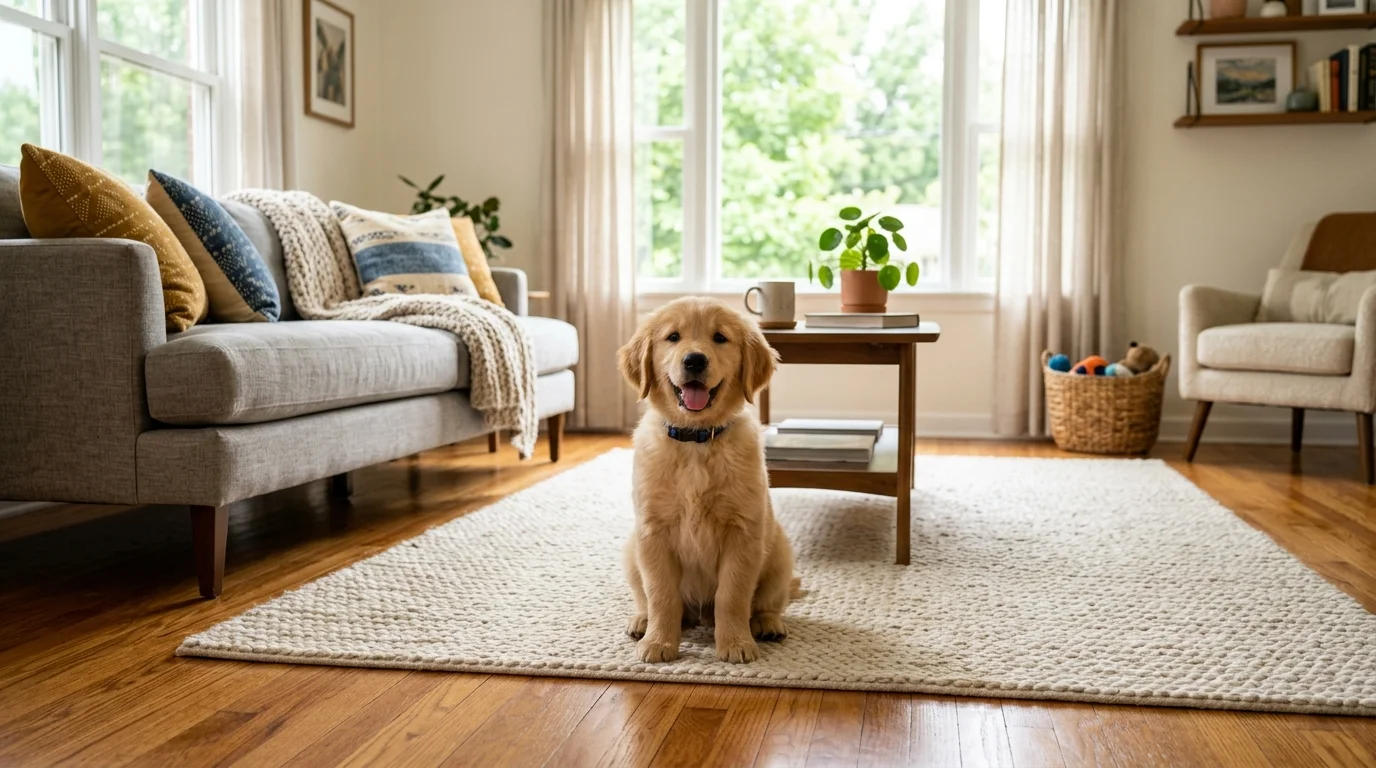
15 Things to Do Before Your Puppy’s First Night Home

Bringing a new pup home brings pure joy. You want everything to go smoothly from minute one. Preparation makes all the difference for your peace of mind. Your new furry family member needs safety and comfort right away.
The arrival day sets the tone for your life together. Preparation calms your nerves and reduces puppy stress. You will create a loving space where your pup feels secure. Let us dive into the essential steps you need today.
You need a reliable plan before the crate opens. This guide covers every detail you need to know. You will feel confident, prepared, and excited for night one. Here is your ultimate preparation roadmap.
1. Set Up the Crate in Your Bedroom

Place the wire or plastic crate near your bed. Your puppy wants to hear your heartbeat and breath. This closeness reduces crying during the nervous puppy first night home. Put a soft washable blanket inside the crate. Keep the crate door open during initial exploration hours.
2. Block Off Danger Zones With Baby Gates

Puppies explore the world with their sharp teeth. Secure open staircases and kitchen areas with sturdy gates. Keep electrical wires hidden behind heavy furniture pieces. Remove all indoor houseplants that could harm your pup. Clean floor areas to remove small swallowed hazard items.
3. Stock Up on High Quality Puppy Food

Ask the breeder or shelter for current food brands. Abrupt diet changes cause upset tummies and diarrhea. Keep a two week supply of current kibble ready. Store food in airtight plastic containers to stay fresh. Prepare stainless steel food and water bowls in advance.
4. Prepare the Potty Station Outside

Choose one designated spot in your yard for pottying. Consistency helps your pup learn house rules much faster. Place a leash near the back door for quick access. Keep outdoor lighting bright for late night potty trips. Carry small tasty treats in your jacket pocket always.
5. Remove House Hazards and Low Hanging Items

Walk through your house on your knees to spot items. Pick up shoe laces, rug tassels, and curtain cords. Hide dangling power cords behind TV stands and desks. Store household chemical cleaners inside locked cabinets high up. Secure trash cans with tight fitting locking lids today.
6. Buy Safe Chew Toys for Teething Relief

Puppies need soft rubber toys to soothe sore gums. Teething pups need proper outlets for their constant chewing urges. Buy durable rubber toys like classic Kong items today. Avoid thin plastic toys that break into sharp pieces easily. Place three toys inside the crate for quiet bedtime comfort.
7. Pick Up Comfort Scents From the Breeder

Ask the breeder for a blanket with mom scent. Smelling mom reduces fear during the scary puppy first 24 hours. Place this scented blanket inside the sleeping crate area. You can also use a warm snuggle puppy plush toy. The heart beat sound comforts scared pups all night long.
8. Establish Your Evening Routine Early

Set a firm schedule for meals, outdoor potty, and sleep. Feed dinner three hours before final bedtime lights out. Remove water bowls one hour before bedtime to prevent accidents. Take your pup outside right before laying down for sleep. Predictable patterns build confidence during the puppy first night home.
9. Line Up Essential Cleaning Supplies

Accidents will happen during the early training days. Buy an enzymatic cleaner to destroy tough urine odors completely. Standard floor cleaners leave scent markers that attract repeat accidents. Keep microfiber towels and paper towels near the door. Store carpet cleaner spray where you can reach easily.
10. Adjust Your House Temperature for Comfort
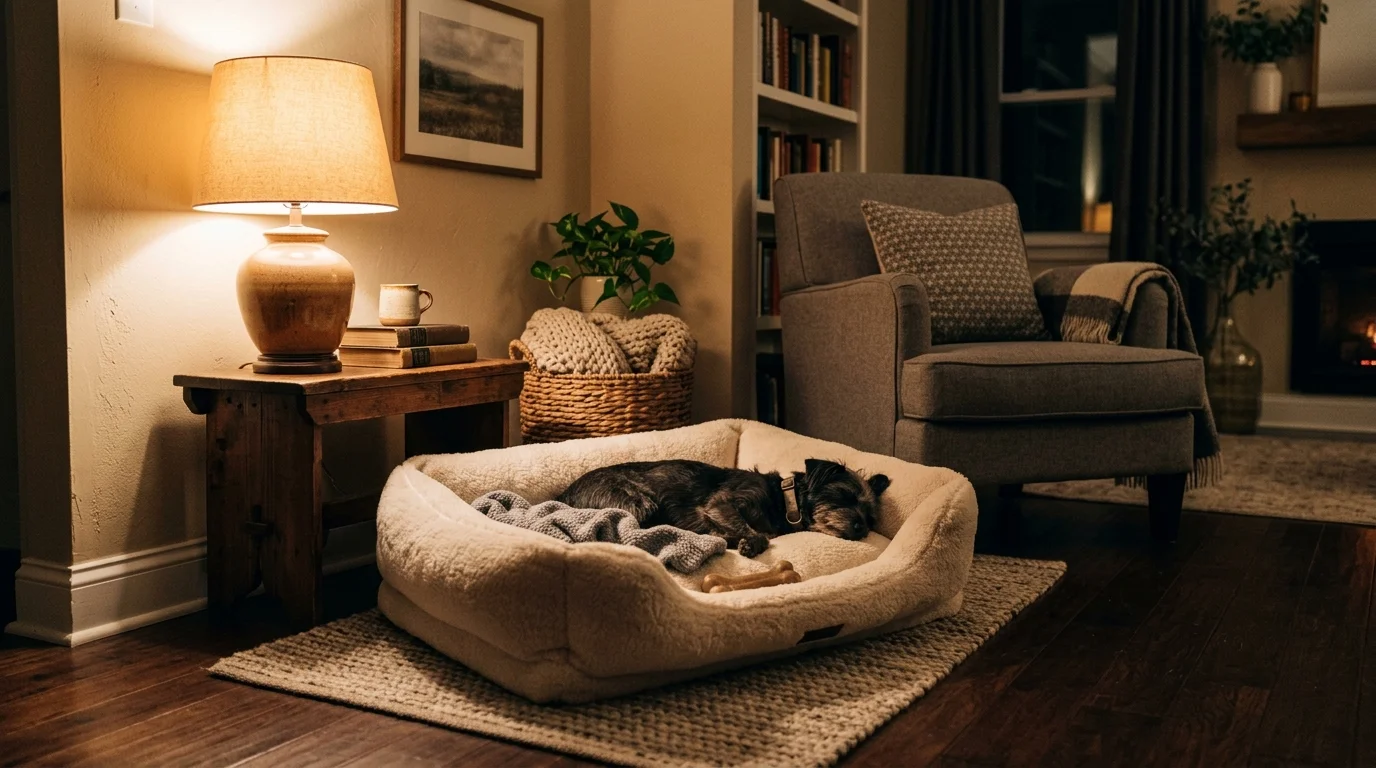
Young puppies cannot regulate body heat like adult dogs. Keep indoor air temperature warm and free from cold drafts. Set your home thermostat around 70 degrees Fahrenheit tonight. Keep crates away from cold window glass and AC vents. Provide cozy fleece blankets for snug sleeping conditions.
11. Set Up a Quiet Room for Down Time

Puppies get overwhelmed easily by loud household activity. Create a quiet retreat room away from noisy television screens. Use soft lighting and calm ambient sound in this area. Tell family members to respect quiet nap time inside this zone. Resting prevents overtired puppy biting and wild zooming behaviors.
12. Prepare Your Nighttime Potty Alarm Routine

Young pups cannot hold urine through the entire night. Set your phone alarm for two overnight potty visits. Put easy slip on shoes near your bedroom door line. Keep a warm coat and flashlight ready by the doorway. Take your pup outside quietly without playing or talking loudly.
13. Assemble Your Essential New Puppy Checklist

Verify you have all supplies from your new puppy checklist. Double check collar size, leash length, and ID tag info. Confirm you have puppy pads, food bowls, and grooming wipes. Keep veterinary contact details taped on your home refrigerator door. Organization lowers your personal stress levels during busy days.
14. Introduce Family Members Quietly One by One

Avoid chaotic greetings when bringing your new puppy home. Have family members sit quietly on the living room floor. Allow the puppy to approach each person at their own pace. Teach young children to touch gently without sudden loud screaming. Gentle initial meetings build trust and social confidence fast.
15. Schedule Your First Vet Checkup Visit

Book a veterinary wellness exam within 48 hours of arrival. Early vet visits confirm health and check vaccine schedules. Bring medical records provided by your rescue or breeder line. Prepare written questions about diet, flea control, and worming. Establishing veterinary care protects your puppy from day one.
Conclusion

Preparing before your puppy arrives transforms your entire experience. These 15 essential steps set your home up for instant success. Your pup will feel safe, loved, and calm during their critical first night home. Enjoy every precious moment of your new journey together.
Frequently Asked Questions (FAQ)
Should I let my puppy cry on the first night home?
No. Comfort your puppy gently without making a huge fuss. Place your hand near the crate so they feel safe.
Where should my puppy sleep on night one?
Your puppy should sleep in a crate inside your bedroom close to your bed for comfort and monitoring.
How often do puppies wake up at night?
Most 8 week old puppies wake up 1 to 2 times every night for outdoor potty breaks.
When should I remove water before bedtime?
Remove the water bowl about 1 to 2 hours before final bedtime to limit middle of the night potty needs.
Can I put puppy pads inside the crate?
It is best to avoid pads in the crate. Pads encourage peeing inside the sleeping area instead of waiting for outside.
What if my puppy refuses to sleep in the crate?
Keep sessions short and positive. Use treats, warm heartbeat toys, and keep the crate right next to your bed.
How long does it take for a puppy to settle?
Most puppies settle within 3 to 7 days once a predictable routine and safe environment are established.


Maya is the founder and writer behind PuppySettled, where she shares practical, situation-specific guides for first-time dog owners. After bringing her own puppy home to a small apartment and realizing most advice out there assumed a house and a yard, she started writing the guides she wished had existed — for real budgets, real schedules, and real first-time-owner questions. When she’s not writing, she’s usually on a walk figuring out the next thing worth covering.